

Your Travel Experience with chilepro
Day 1
Transfer
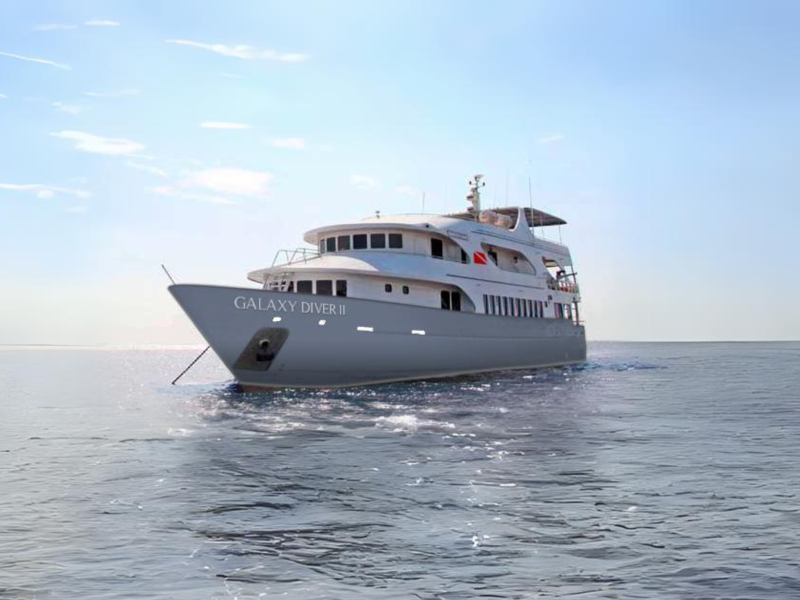
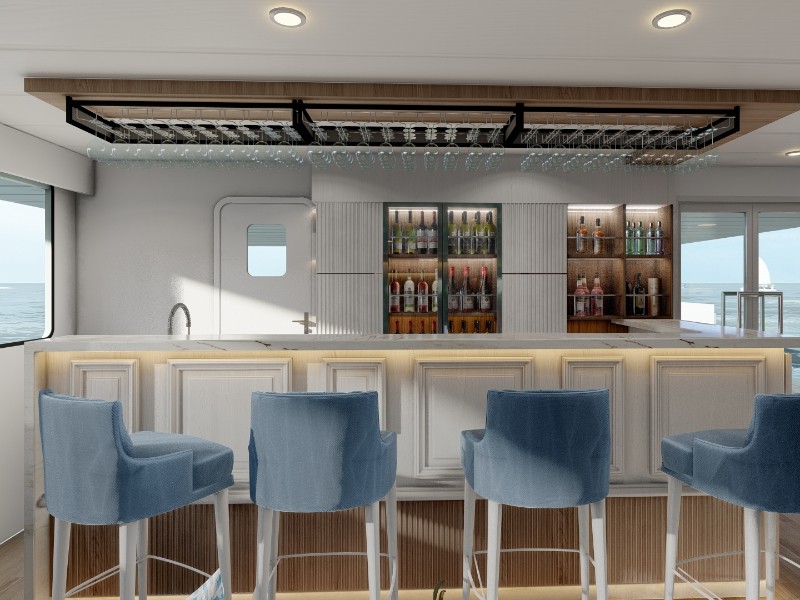
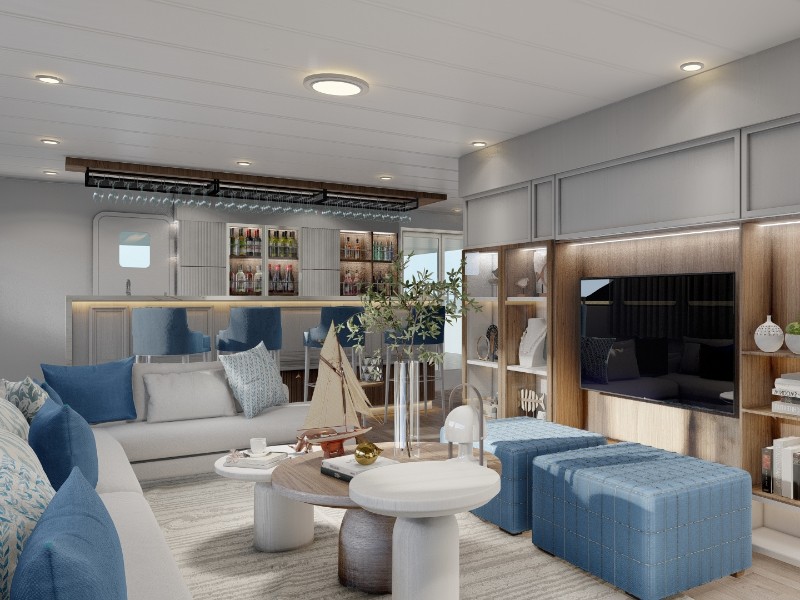
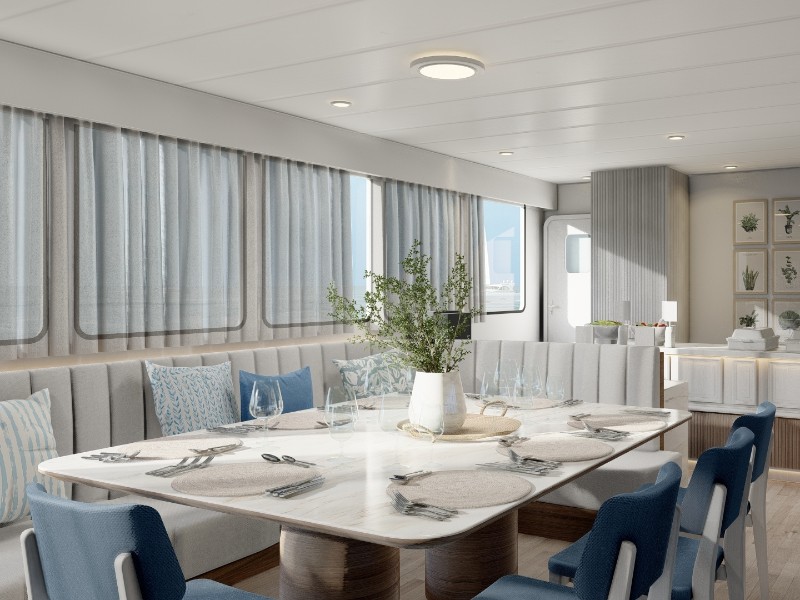
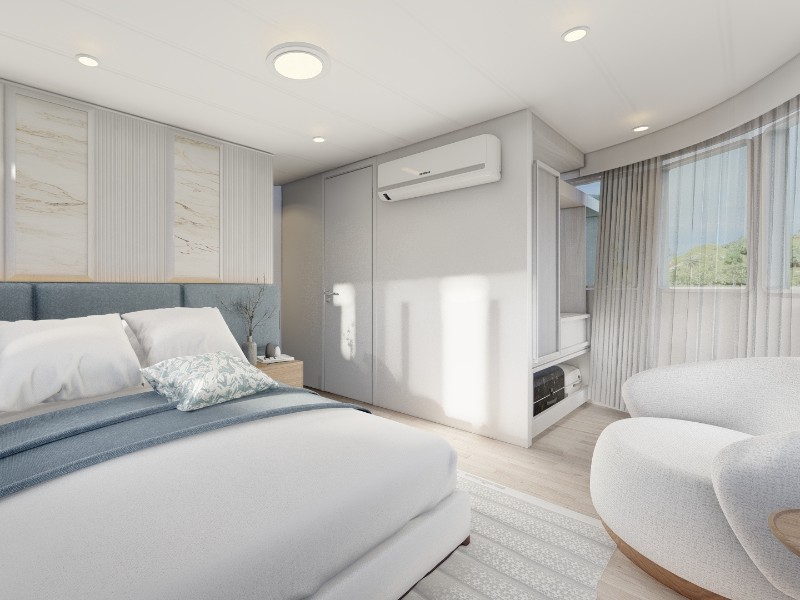
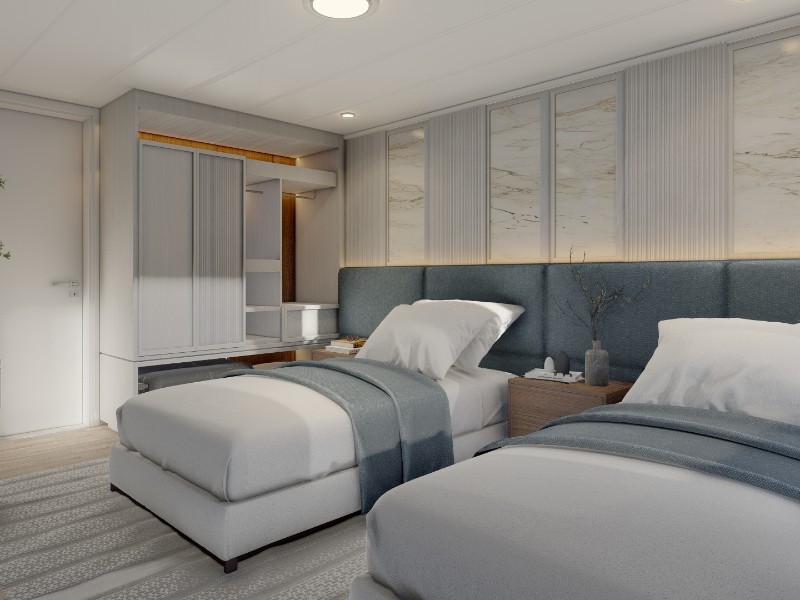
After arriving at the airport at Baltra, transfer to the harbour to board the Galaxy Diver II. When everyone is on board, you will receive an introduction to the boat and mandatory safety briefings.
Baltra Island
Afternoon: The first dive of the tour will be at the northeastern side of the island Baltra. Here, you will perform a check dive, adjusting the weights and condition of the equipment, accompanied by rays, sharks and sea lions.
Day 2
Punta Carrion
Morning: Today you will go to Carrion Point, also known as Punta Carrión. It is located on the east side of Santa Cruz Island. The crystal clear turquoise waters of the bay are a great place for diving. There is a variety of marine life to observe in this bay, from tropical fish and sea lions to manta rays, reef sharks and hammerheads.
On the way to Wolf Island
Afternoon: In the afternoon you will sail for 14 hours to Wolf Island.
Day 3
La Banana on Wolf Island
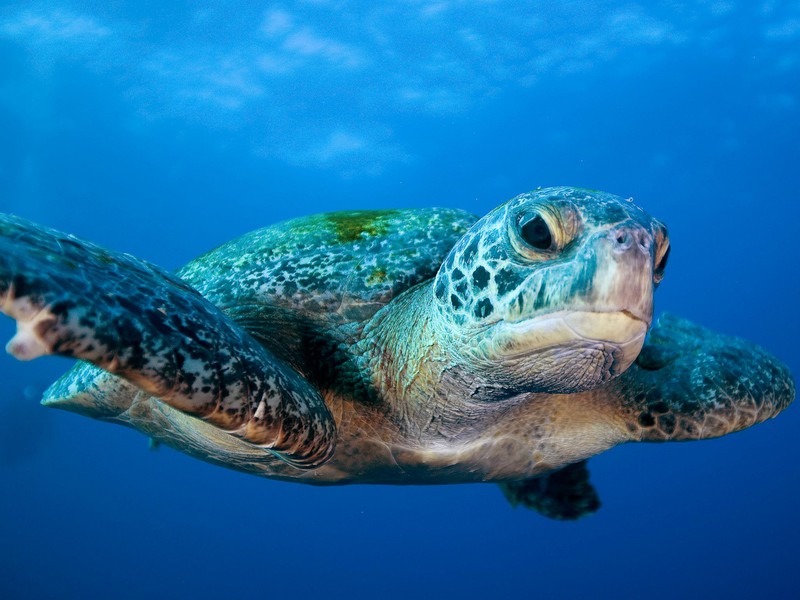
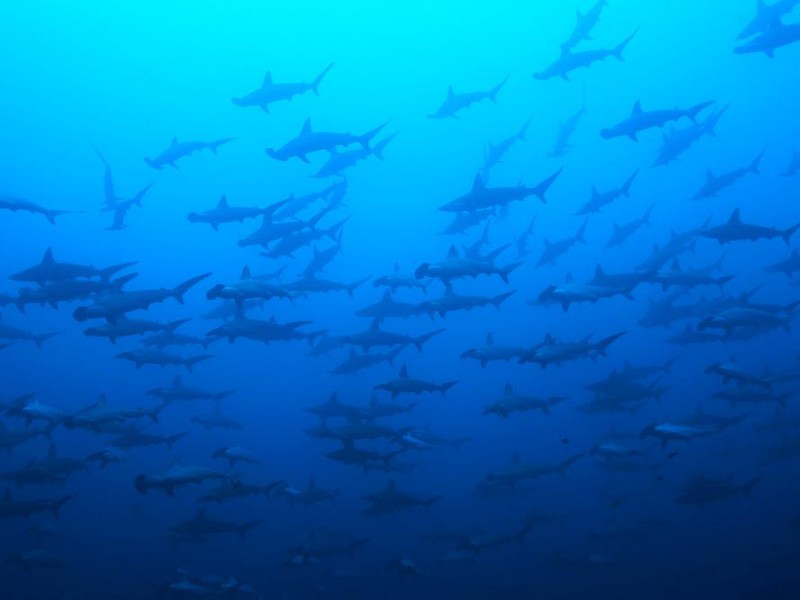
Morning: The beauty in the waters here is unbelievable, you will spot hundreds of hammerhead sharks as well as eagle rays, Galapagos sharks, and countless schools of fish, tuna and sea turtles. Moreover, although you won't necessarily see dolphins, you will definitely be able to hear their clicking sounds.
El Derrumbe on Wolf Island
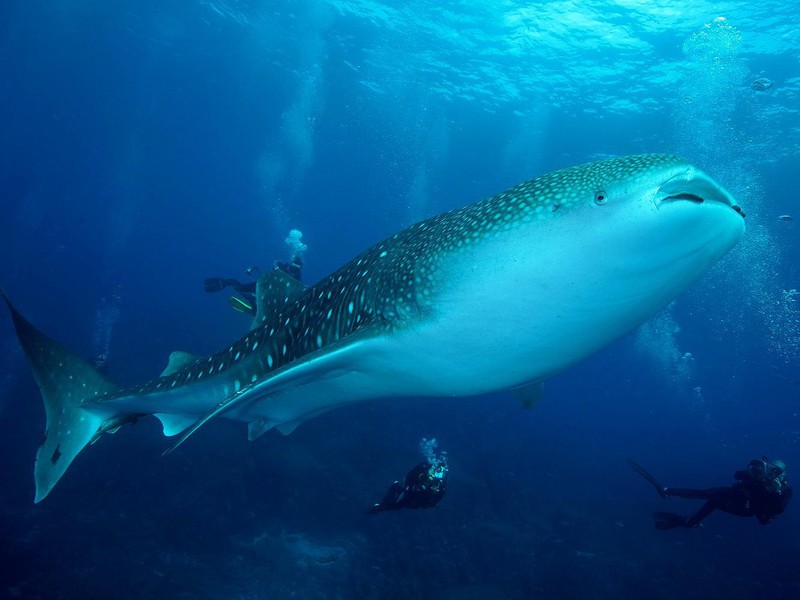
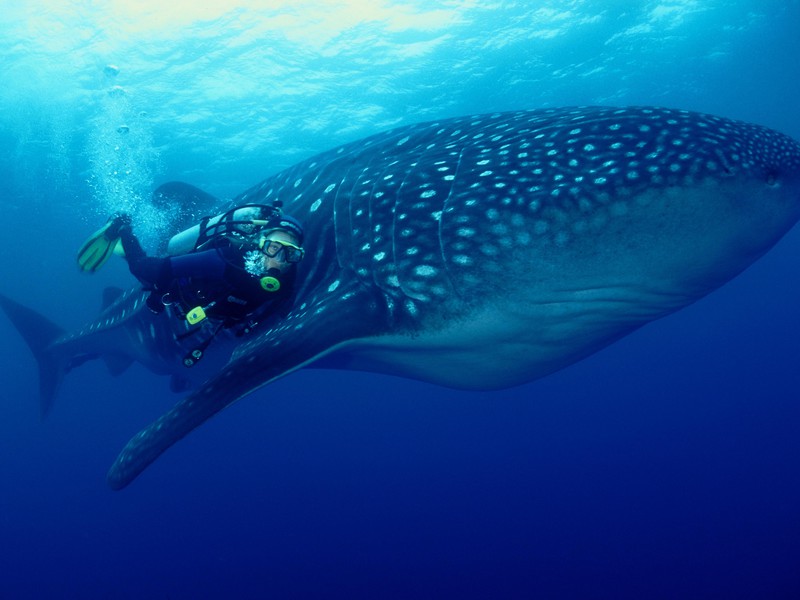
Afternoon: El Derrumbe is the main dive attraction on Wolf Island. It is well-known among divers for its diverse and abundant marine wildlife. Thanks to the cold currents, the great spotted whale shark, various species of whales, and hammerhead, as well as white-tipped, and Galapagos sharks are often seen. While many seabirds frequent the cliffs of the island, the most famous flying resident is the vampire finch.
Day 4
Darwin Island
Morning: Darwin Island is the northernmost island in the archipelago. Encounters with whale sharks, hammerhead sharks, and the Galapagos sharks are possible depending on the season. The main diving spot at Darwin Island is Darwin’s arch, nicknamed ‘the theatre’. It is an irregular bridge-like submerged plateau that is around 50 to 78 feet deep. The shape is a result of erosion and it has a ‘viewing’ platform 18 meters deep. It is the most famous dive site in the Galapagos Islands and is recognized as one of the best dive sites in the world! Whale sharks and schools of hammerheads often frequent this area.
Darwin's Arch
Afternoon: If it’s big animals you crave, then Darwin’s Arch is quite possibly the best dive in the world. Massive whale sharks, sea turtles, burly sharks of many varieties, moray eels, eagle rays hammerhead schools thick enough to blot out the sun. Darwin's arch has earned its place at the top of the bucket lists for many divers.
Day 5
Darwin Island
Morning: Darwin Island is the northernmost island in the archipelago. Encounters with whale sharks, hammerhead sharks, and the Galapagos sharks are possible depending on the season. The main diving spot at Darwin Island is Darwin’s arch, nicknamed ‘the theatre’. It is an irregular bridge-like submerged plateau that is around 50 to 78 feet deep. The shape is a result of erosion and it has a ‘viewing’ platform 18 meters deep. It is the most famous dive site in the Galapagos Islands and is recognized as one of the best dive sites in the world! Whale sharks and schools of hammerheads often frequent this area.
El Derrumbe on Wolf Island
Afternoon: El Derrumbe is the main dive attraction on Wolf Island. It is well-known among divers for its diverse and abundant marine wildlife. Thanks to the cold currents, the great spotted whale shark, various species of whales, and hammerhead, as well as white-tipped, and Galapagos sharks are often seen. While many seabirds frequent the cliffs of the island, the most famous flying resident is the vampire finch.
Day 6
Dive in front of Isabela Island - Cape Douglas
Morning: Experience the magic of Douglas Cape, a unique site famous for the world’s only seafaring lizards: the Galapagos marine iguanas. Observe these prehistoric creatures as they bask on the volcanic rocks before plunging into the sea for their underwater feeding sessions. Watching them glide gracefully to feed on algae is a mesmerizing spectacle found nowhere else on Earth. The adventure doesn't end there; the nutrient-rich waters of Douglas Cape also offer frequent encounters with Galapagos penguins, sea lions, and vibrant schools of tropical fish.
Dive in front of Isabela Island - Vicente Roca Point
Afternoon: Vicente Roca Point offers a breathtaking natural spectacle, featuring some of the tallest cliffs in Galapagos and intriguing volcanic formations. While there are no trails, a dinghy tour along the shore provides an up-close look at the area's rich wildlife. Highlights include flightless cormorants, blue-footed boobies, pelicans, and sea turtles. The site is also home to Galapagos fur seals and marine iguanas basking on the rocks. Moreover, the deep waters surrounding the area make it an excellent spot for dolphin and whale sightings.
Stunning Views, Galapagos penguins, Flightless cormorants, Marine iguanas, Sea turtles
Day 7
Cousins Rock at Santiago Island
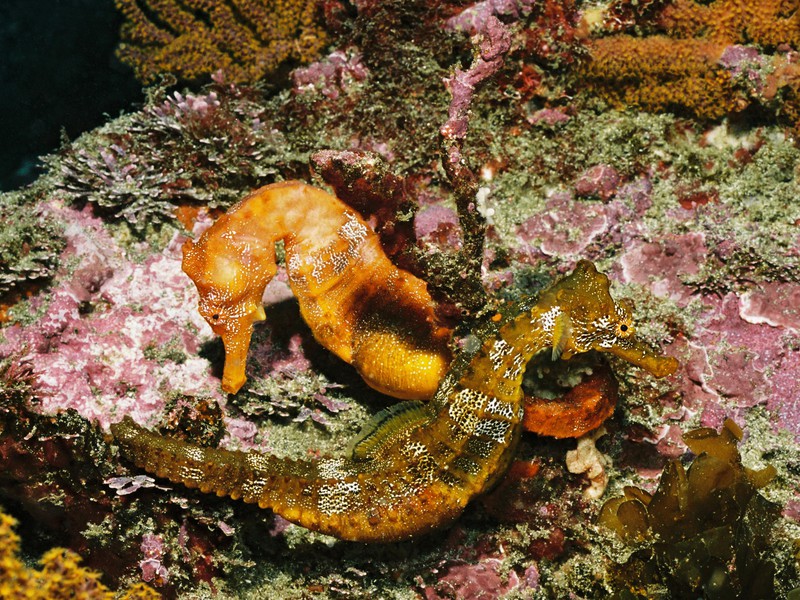
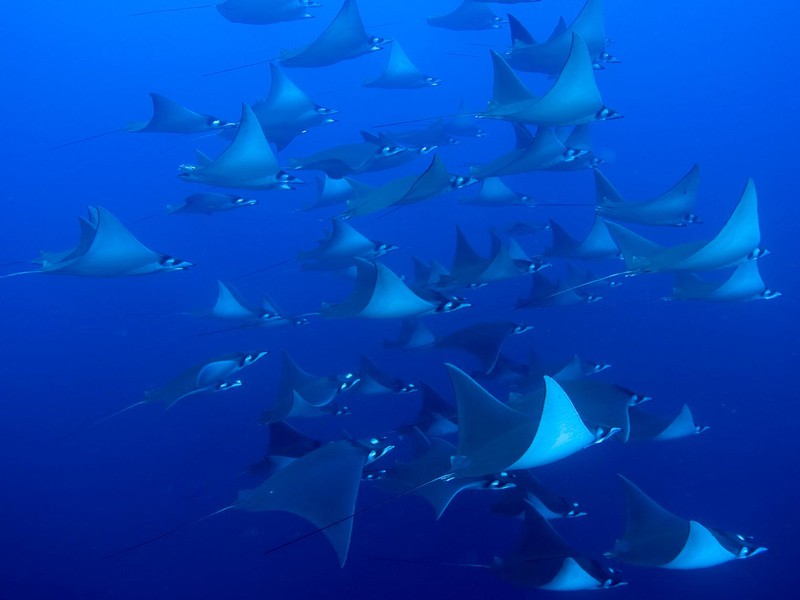
Morning: Rocas Cousin. Todays dive is at an island located 15 minutes by boat from the Island Bartolomé. Cousins rock has moderate currents and offers excellent opportunities to see seahorses, schools of eagle rays, sea lions and fur seals. The steep slope has many holes and small caves, which offer perfect refuge for eels, octopuses, and lobster. This seascape is framed with black corals and different species of sponges. After lunch, you will dive in this area again before setting sail for the exclusive Wolf Island.
Highlands of Santa Cruz Island
Afternoon: As you venture into Santa Cruz's higher altitude areas, you will notice the changes in the vegetation as the climate becomes wetter and warmer. The earth in the upper altitudes is rich in minerals. Coffee plantations and fruit orchards line the streets. Here you can observe the famous Galapagos giant tortoises in the wild, using the new knowledge you gained at Charles Darwin Station in the morning.
The Scalesia forests in this area offer the opportunity to discover endemic species of the Galapagos Islands, as well as giant cacti and a variety of deciduous trees and edible fruits.
Here you can also visit the twin 'craters' Los Gemelos. While they are not craters in the technical sense, these 70-meter vertical gullies with a carpet of lush vegetation are an impressive sight to behold.
Day 8
Transfer
You will conclude in the harbour of Baltra. From there, transfer to Baltra Airport in time for your return flight to the mainland, or continue with your planned route through the Galapagos.